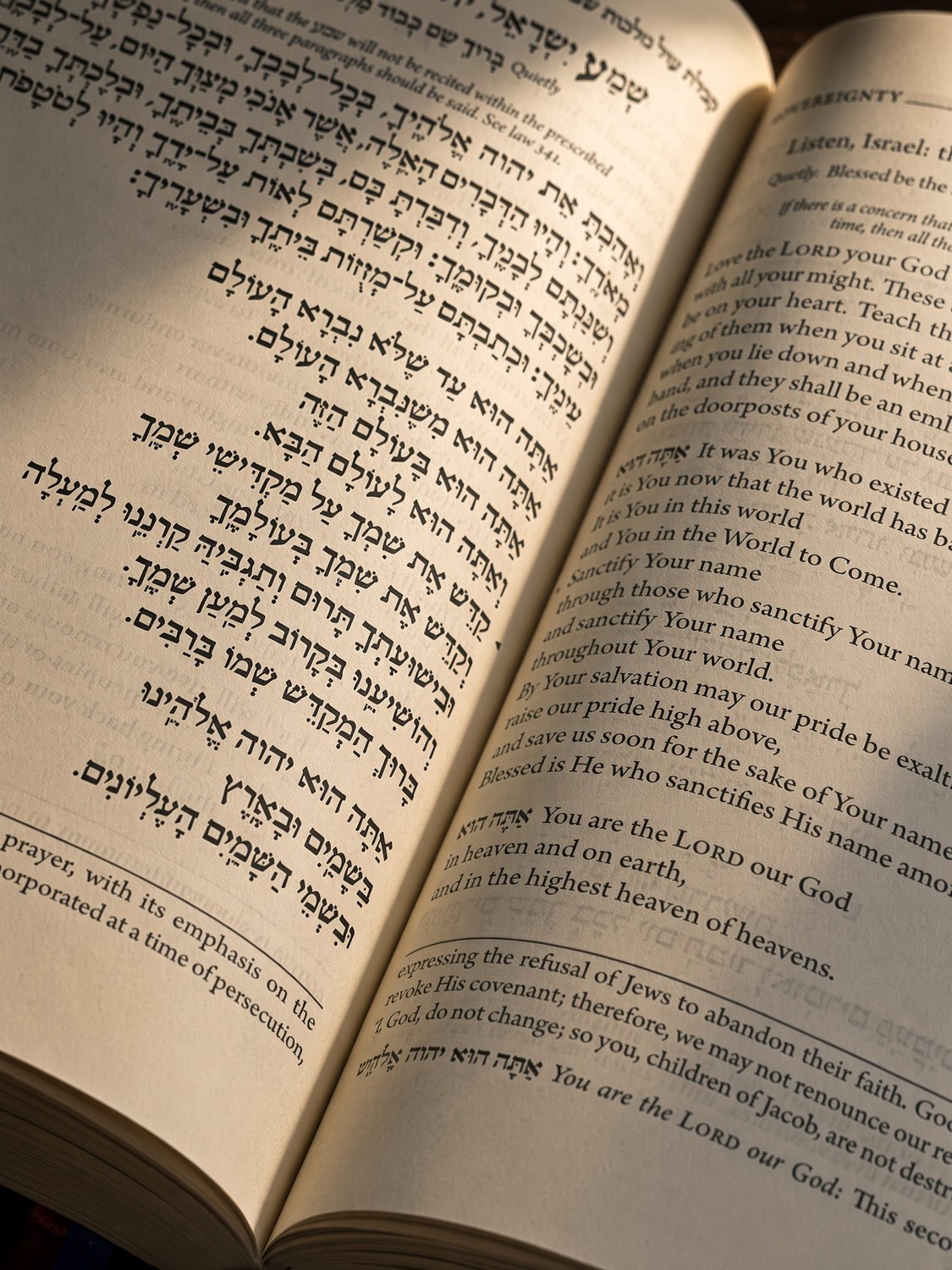
The Amidah
The standing prayer, the spine of every daily service.
Page-by-page transliteration and audio read-along.

Jesus does not match the Tanakh’s Messianic criteria and his divinity violates Jewish monotheism. The answer is that simple—and that careful.
The Jewish criteria for the Messiah are specified in the Tanakh and codified by the Rambam (Hilchot Melachim 11:1–4). The Messiah will: be a descendant of David; restore the Davidic kingdom; rebuild the Beit HaMikdash (the Temple); gather the exiles of Israel from the four corners of the earth; teach Torah; bring an end to war (Yeshayahu 2:4, Micah 4:3); bring universal knowledge of Hashem (Yeshayahu 11:9); and resurrect the dead. The historical Jesus of Nazareth did none of these things. The Christian response—that Jesus will accomplish these tasks in a second coming—is a doctrinal innovation; the Tanakh nowhere speaks of a Messiah who comes, dies, returns, and then completes his work.
The doctrine of Jesus as divine—co-equal with God the Father—is incompatible with the Shema’s declaration that God is One (Devarim 6:4) and with the First Commandment’s prohibition against other gods before Hashem (Shemot 20:3). The Christian doctrine of the Trinity is, from the Jewish standpoint, a form of shituf (associating other beings with God), which the medieval halachic authorities debated whether non-Jews are permitted to practice under the Noahide laws, but which is unambiguously forbidden to Jews. The Rambam (Hilchot Avodah Zarah 9:4) wrote forthrightly that Christians are idolators in his halachic framework; the Meiri (Beit HaBechirah on Avodah Zarah) softened this for the medieval European context, regarding Christians as a “nation disciplined by religion.”
Continue reading →Learn letters, vowels, and words, first by demonstration, then with interactive flashcards.

The New Jew gathers articles and learning tools for adults coming to Jewish faith and practice after childhood. Topic categories guide exploration of belief, texts, prayer, Hebrew, community, and Jewish living; levels distinguish first steps, core literacy, practical guidance, deeper study, and scholarly work. Begin with a manageable routine and return to the guide as questions arise.

Judaism rewards depth, not speed. The Jewish journey is the work of a lifetime; the first weeks should be calm and curious.
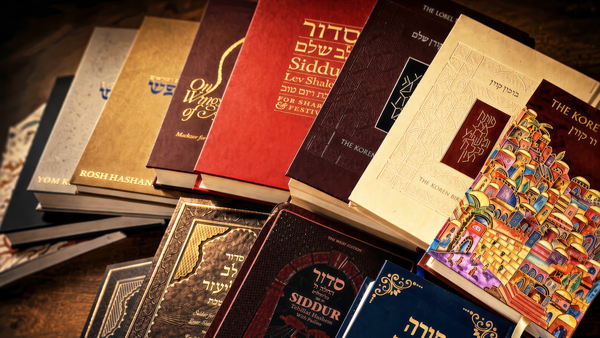
A siddur is the New Jew’s most-used Jewish book. Buy one with English translation, transliteration, and clear instructions.
These ten sections have been designed first as a structured guide for learning, and second as an almanac for free exploration.